Shergar: Horse Racing Legend, Missing Without a Trace
Imagine a horse so magnificent, so dominant on the racetrack, that his name still echoes through the corridors of racing history decades after he vanished without a trace.
That horse was Shergar, a bay colt with a striking white blaze and four white socks, bred in the lush green fields of County Kildare, Ireland.
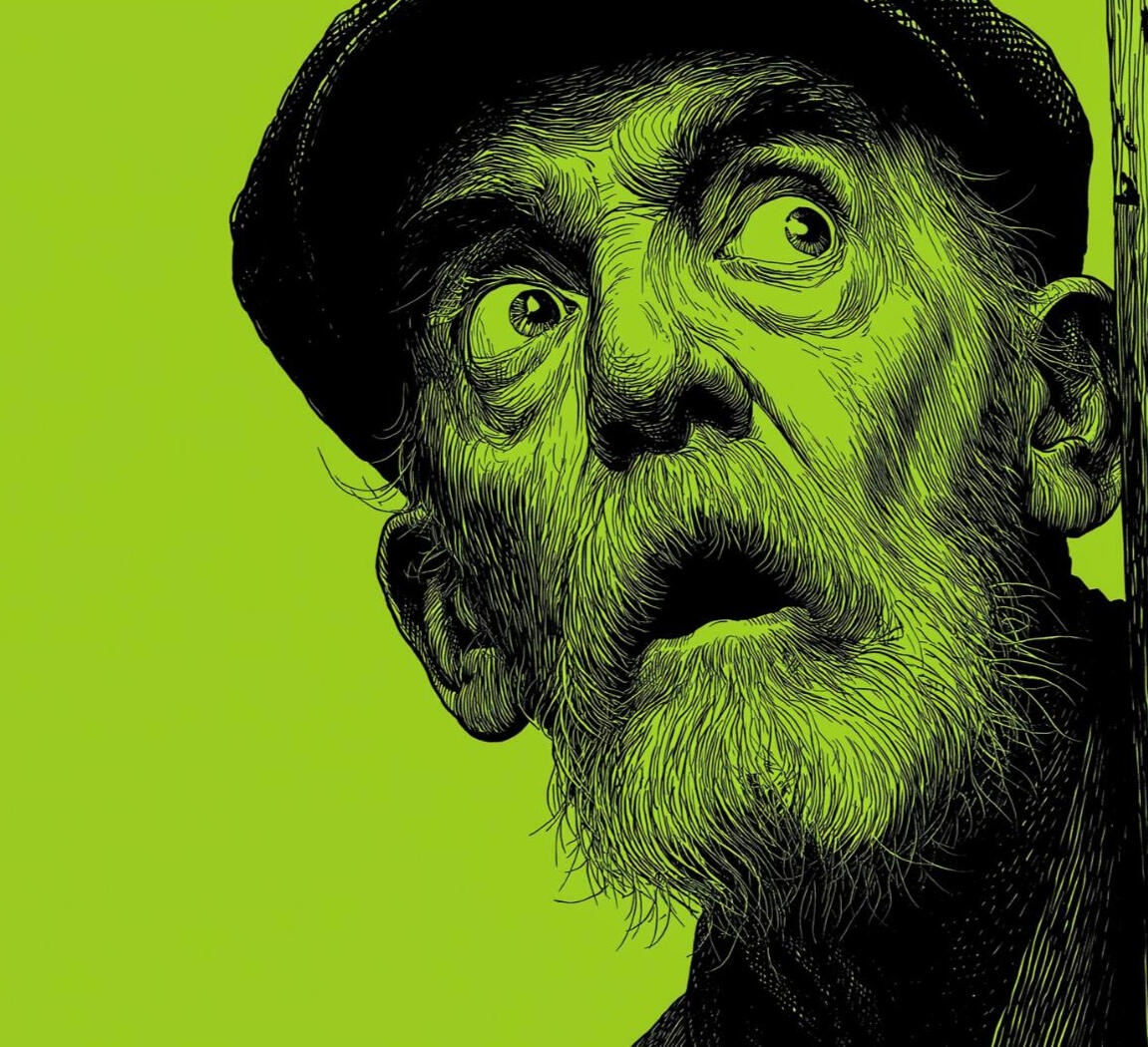
Triumph to Tragedy
His story is one of triumph, mystery, and tragedy, and is a tale that begins with promise and ends in an enigma that has captivated the world for over 40 years.
The Aga Khan IV
Shergar was foaled on March 3, 1978, at Sheshoon, the private stud of the Aga Khan IV, a man renowned not only for his spiritual leadership but also for his passion for horse racing.And, if you want to understand the story of Shergar, you can’t help but be drawn into the remarkable life of his owner.Born as Prince Karim al-Husseini on December 13, 1936, in Geneva, Switzerland, the Aga Khan IV was the eldest son of Prince Aly Khan and Princess Taj-ud-dawlah. His early childhood was spent in Nairobi, Kenya, before he moved to Europe for his education. He attended Harvard University, graduating with a degree in Islamic history in 1959.What makes his story so unique is the weight of history he carried. The Aga Khan is considered a direct descendant of the Prophet Muhammad and became the 49th hereditary Imam of the Nizari Isma'ili Muslims at the age of 20, following the death of his grandfather, Aga Khan III, in 1957.As Imam, the Aga Khan IV led a global community of around 15 million Isma'ilis. His role was not only to interpret the faith for his followers but also to guide them through times of change and challenge.One of his most enduring legacies is the Aga Khan Development Network (AKDN), a group whose work spans healthcare, education, economic development, and cultural preservation, reflecting the Aga Khan’s belief in the ethical principles of Islam as a force for social progress.But let’s not forget the other side of the Aga Khan’s life, the world of thoroughbred racing. The Aga Khan family’s involvement in horse racing dates back generations, but it was under the Aga Khan IV that their breeding and racing empire reached new heights.His famous green and red silks became a fixture at the world’s top racecourses. The Aga Khan’s meticulous approach to breeding and training set a benchmark for excellence, rivaled only by a handful of other great racing dynasties.His horses won hundreds of Group 1 races, including multiple Epsom Derbies, Irish Derbies, and the Prix de l’Arc de Triomphe.Shergar, of course, was the most famous of them all, a superstar whose Derby win by 10 lengths remains a record.
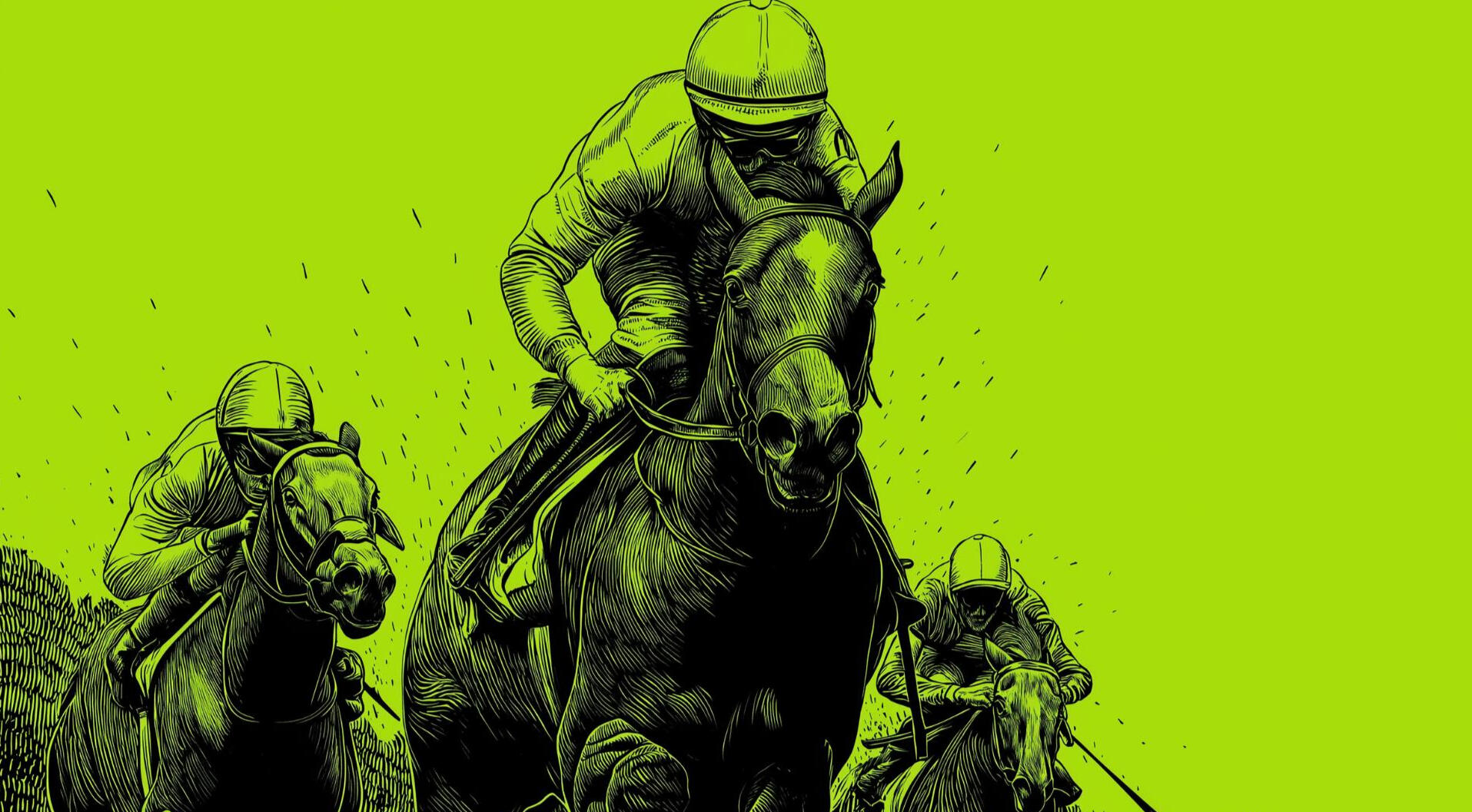
Shergar and The Aga Khan IV
As a prominent figure in the racing world, Shergar was one of his prized Thoroughbreds. The colt’s sire was Great Nephew, a British stallion celebrated for his wins in France, and his dam was Sharmeen, a descendant of the legendary broodmare Mumtaz Mahal. From the very beginning, Shergar was bred for greatness.As a young horse, Shergar was sent to England for training under Michael Stoute, a trainer with a reputation for excellence. Stoute’s stable was based in Newmarket, the heart of British horse racing.Shergar was known for his calm temperament and impressive physicality. He was easy to train and responded well to the rigorous demands of competition preparation. His early workouts hinted at the extraordinary talent that was about to burst onto the racing scene.Shergar’s racing career began in September 1980, when he was just two years old. His debut was at the Kris Plate at Newbury, where he won impressively against a field of 23, setting a course record.His only other race that year saw him finish second, but it was clear that Shergar was a rising star. The following year, 1981, would cement his place in racing history.
1981
In 1981, Shergar ran six races and won five of them with breathtaking dominance. His victories included the Guardian Classic Trial at Sandown Park, where he won by an astonishing 10 lengths, and the Chester Vase, which he won by 12 lengths.But it was the Epsom Derby in June that truly made him a legend. Ridden by the young jockey Walter Swinburn, Shergar won the Derby by a record-breaking margin of 10 lengths, the largest in the race’s history.The ease with which he pulled away from the competition was so remarkable that commentators said it was like watching a horse in an exercise canter. His winning streak continued with triumphs in the Irish Derby and the King George VI and Queen Elizabeth Stakes, both by four lengths. Shergar was not just a champion; he was a phenomenon.After such a stellar season, Shergar was retired to stud at the Ballymany Stud in County Kildare, Ireland, owned by the Aga Khan. The horse was valued at millions, and shares in his breeding services were highly sought after. Shergar’s future seemed secure, destined to sire a new generation of champions.
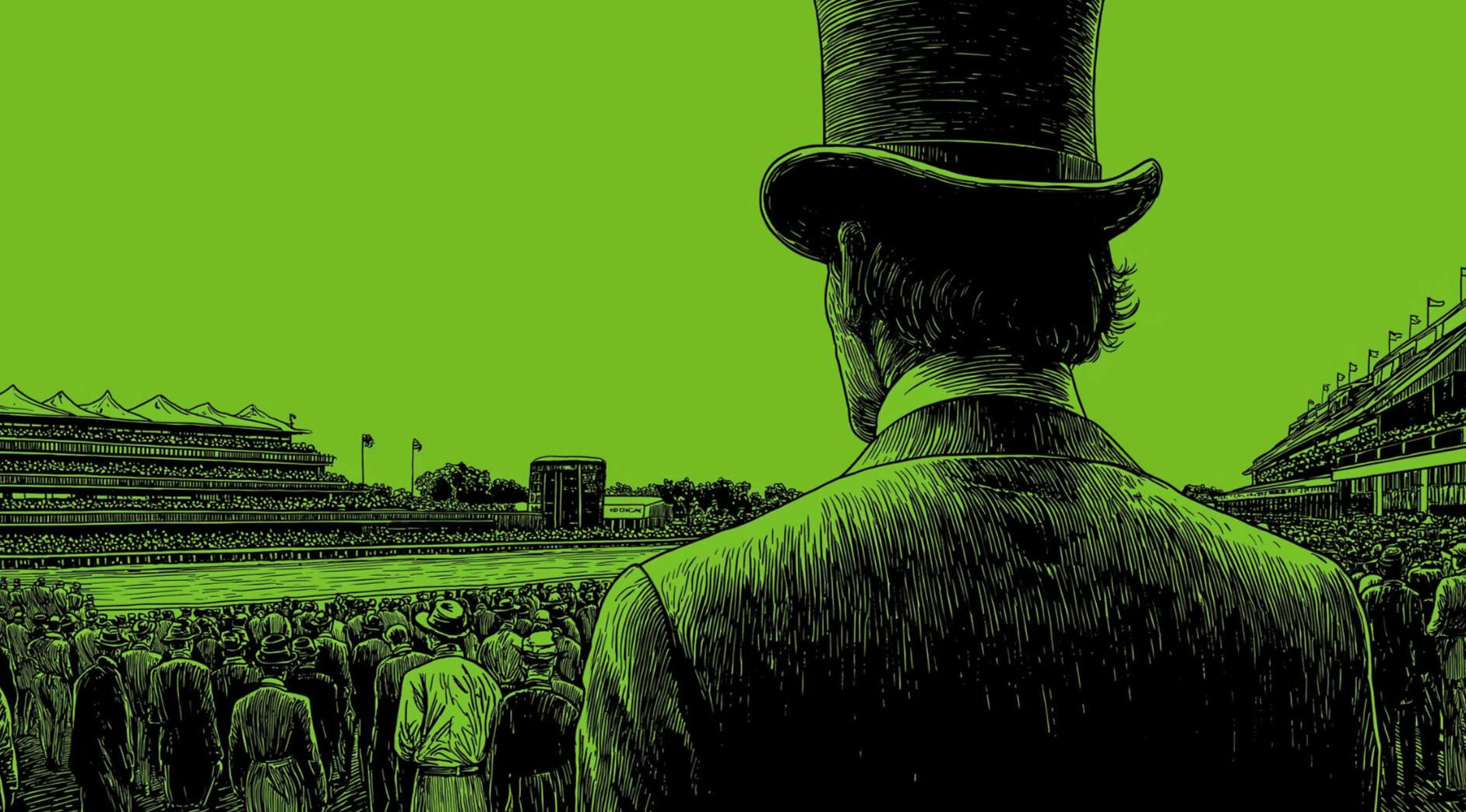
February 1983 - When Everything Changed
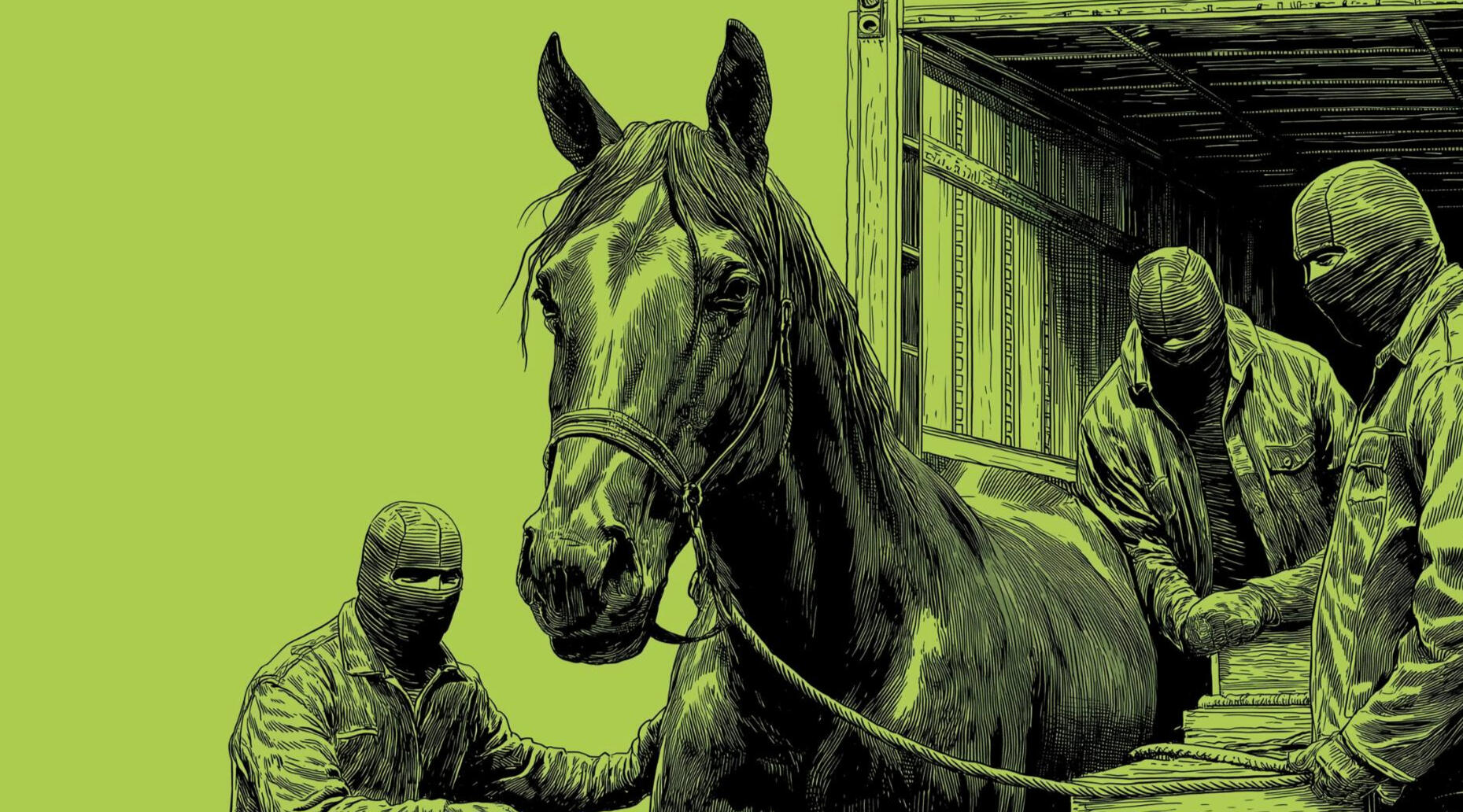
But then, in the early hours of February 8, 1983, everything changed. Shergar was stolen from Ballymany Stud in a brazen nighttime raid.A gang of masked men, armed with machine guns, forced the stud’s groom, Jim Fitzgerald, at gunpoint to load Shergar into a horsebox.Fitzgerald was then driven around for hours before being released. The kidnappers vanished with Shergar, and the world was left stunned.The theft was not reported to the police until eight hours later, a delay that severely hampered the investigation. The timing of the kidnapping was particularly cunning, the day before Ireland’s biggest horse sale, when numerous horseboxes were on the roads, making it difficult to track Shergar’s movements.The initial police investigation was led by Chief Superintendent James Murphy, a man who became known for his unconventional methods and a sense of humor that belied the seriousness of the case.Despite his efforts, the investigation was plagued by dead ends and bizarre moments, including consultations with psychics and clairvoyants.The kidnappers demanded a ransom of £2 million, a staggering sum at the time. Negotiations were conducted through intermediaries, including the stud’s manager and a risk consulting firm brought in by Shergar’s syndicate of owners.The kidnappers even provided proof that Shergar was alive with a set of Polaroid photos showing the horse’s head alongside a newspaper dated February 11.However, the photos were not convincing enough for the owners, and the negotiations soon broke down. The ransom was never paid.
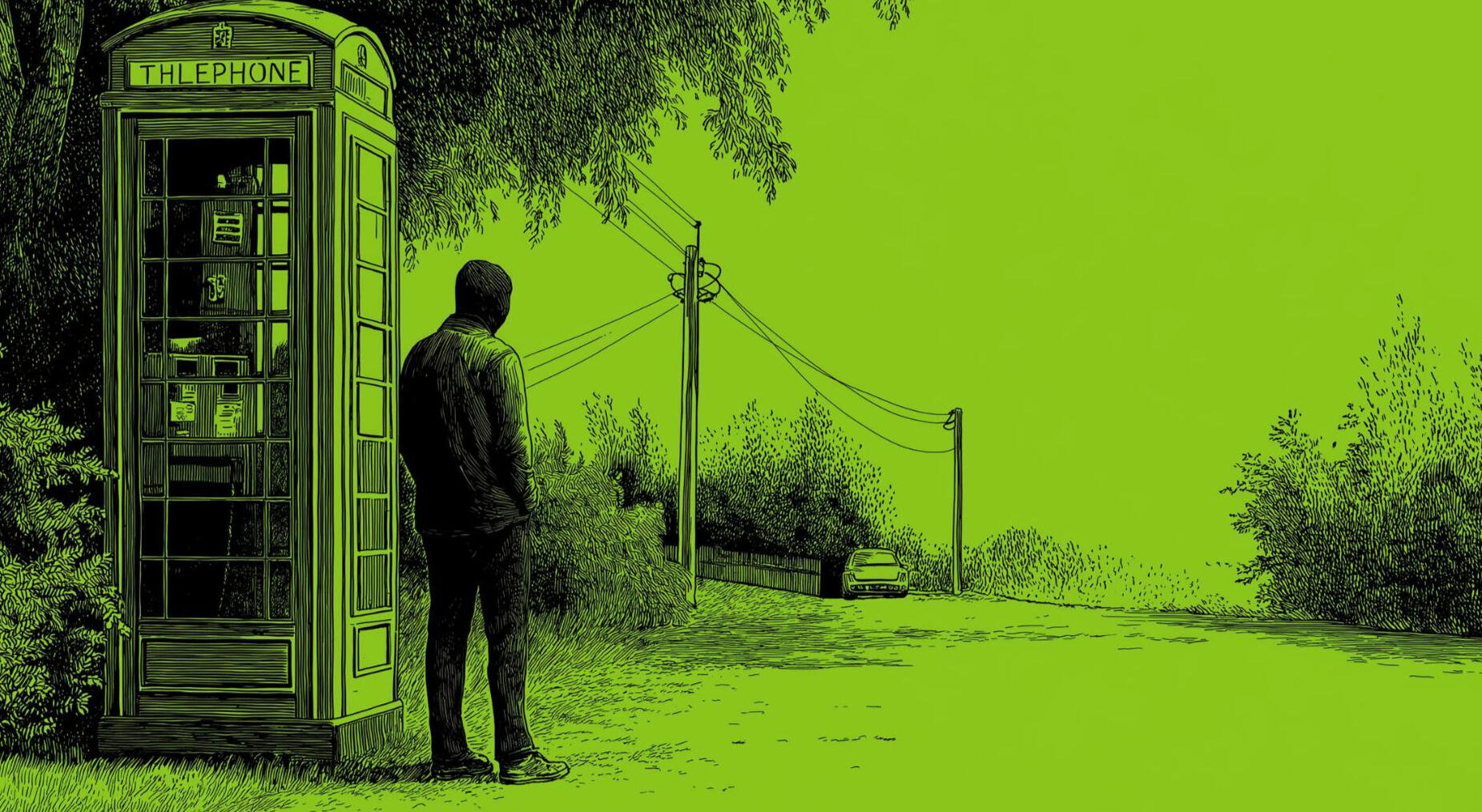
Why Shergar?
Why was Shergar taken? The prevailing theory is that the kidnapping was orchestrated by the Provisional Irish Republican Army (IRA) to raise funds for their armed campaign during the Troubles.The IRA never officially admitted involvement, but in 1999, a former IRA member, Sean O’Callaghan, claimed in his book that the operation was indeed carried out by the IRA.According to O’Callaghan, the kidnappers were inexperienced in handling a high-strung thoroughbred like Shergar. The horse panicked, injured his leg, and was shot within days to end his suffering.
Has Any Trace ever Been Found?
The body of Shergar was allegedly buried in a remote pit in the mountains of County Leitrim, but no trace has ever been found.The investigation into Shergar’s disappearance was extensive but ultimately fruitless. The police faced numerous challenges, including the initial delay in reporting, the confusion caused by the horse sale, and the secretive nature of the suspects.Over the years, various theories have emerged about what happened to Shergar and where his remains might lie. Some speculate that the horse was killed immediately after the kidnapping; others believe he may have been held for a longer period before being put down.Over the years, several equine skeletons and skulls have been discovered in Ireland, briefly raising hopes that Shergar’s fate might finally be confirmed. One of the most publicised discoveries occurred when a skull was found in a ditch near Tralee, County Kerry, by a local councillor.The skull, which reportedly had two bullet holes, was believed by some to possibly be Shergar’s due to its size and the circumstances of its discovery. The finder stated he intended to bring it to the authorities for investigation.This and other discoveries prompted DNA testing to determine if the remains could be matched to Shergar. Veterinary experts, including Des Leadon, who had access to hair samples from Shergar’s mane and tail, were prepared to use these for DNA comparison.However, scientific tests on the skulls and bones found have all conclusively ruled out the possibility that any belonged to Shergar. The remains tested did not match Shergar’s DNA, and the mystery persisted.
Ongoing Speculation and Search
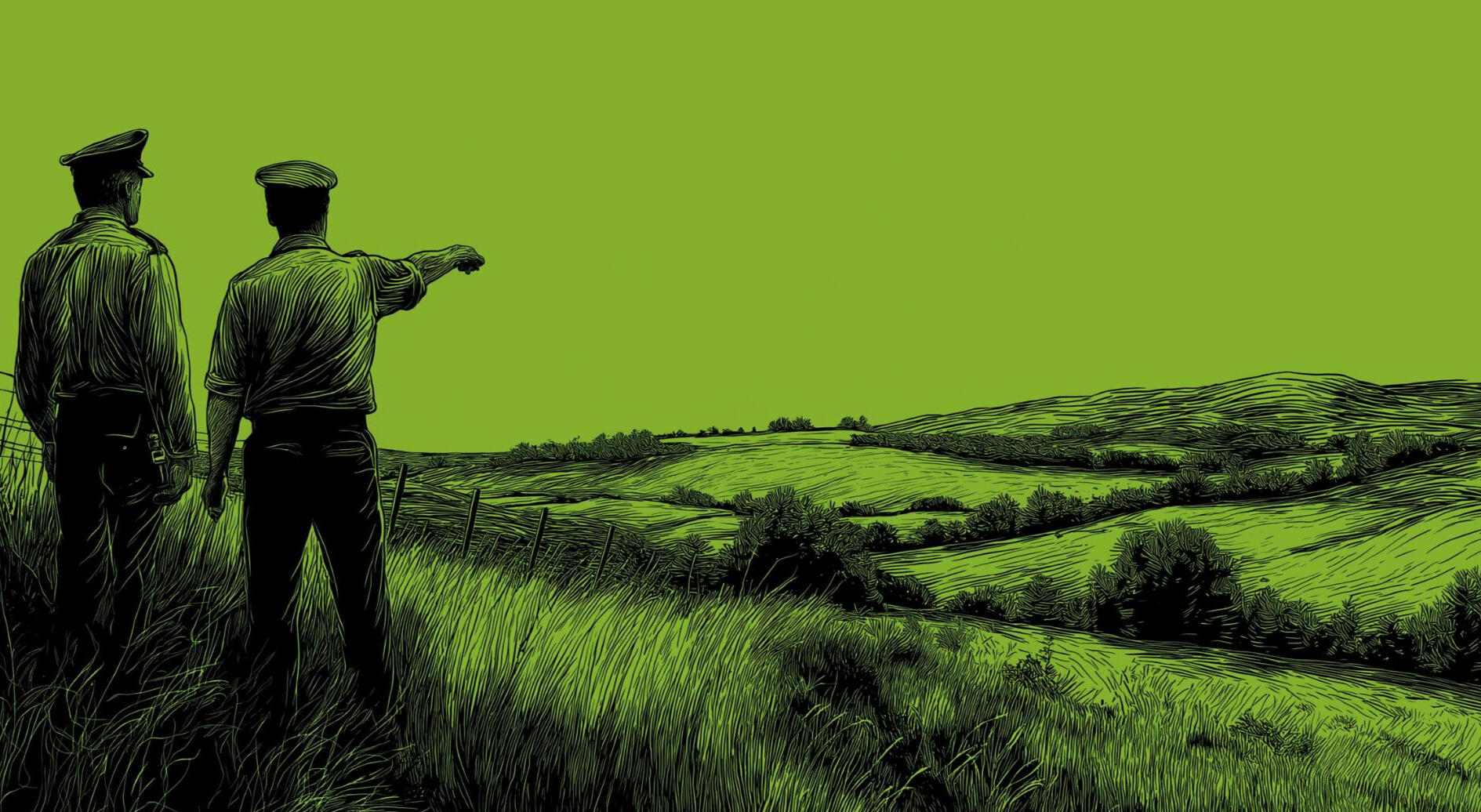
The prevailing theory, supported by former IRA member Sean O’Callaghan and several investigative reports, is that Shergar was killed shortly after his abduction and buried in a secret location, most likely in the remote countryside near Ballinamore, County Leitrim.Despite this, no trace of his body has ever been found or confirmed. The area believed to be his burial site is on private land, and permission to excavate has never been granted, further complicating efforts to resolve the case.The suspected burial site is a remote farm on land that is privately owned and is said to belong to a veteran of the IRA from the 1940s. Over the years, investigators and journalists have repeatedly pointed to this location as the likeliest spot where Shergar was buried after his abduction and presumed killing.However, the ownership adds another layer of complexity, and the lack of permission to excavate could be due to concerns about implicating individuals or families in criminal activity, or about unearthing other secrets from the Troubles era.This historical context makes the landowner’s refusal to grant permission even more understandable, given the potential for controversy or backlash.
In The End
Ultimately, the investigation into Shergar’s disappearance was extensive but fruitless. The police faced numerous challenges, including the initial delay in reporting, the confusion caused by the horse sale, and the secretive nature of the suspects.Shergar’s disappearance remains one of the biggest mysteries in sports history. His legacy lives on not only in the memories of his breathtaking performances but also in the annual Shergar Cup, a prestigious racing event inaugurated in his honour.In the end, Shergar’s tale is a poignant reminder of the fragility of greatness and the shadows that can fall even on the brightest stars. Though he vanished without a trace, Shergar’s spirit gallops on in the hearts of those who witnessed his extraordinary talent and mourn the loss of a legend taken too soon.In the end, Shergar’s tale is a poignant reminder of the fragility of greatness and the shadows that can fall even on the brightest stars. Though he vanished without a trace, Shergar’s spirit gallops on in the hearts of those who witnessed his extraordinary talent and mourn the loss of a legend taken too soon.His story is told not just as a chronicle of a champion racehorse but as a human story of hope, loss, and the quest for answers that may never come.
© All rights reserved.